Compare Local Contractors for Fence Sealing and Set Clear Expectations
Compare local contractors for fence sealing to define project scope, verify experience, and set clear expectations in writing for a successful job.
Fence sealing is a maintenance process that helps protect wood, vinyl, or metal fences from moisture, decay, and damage over time. This work typically involves applying a protective coating or sealant designed to create a barrier against environmental elements. Proper sealing can extend the lifespan of a fence, improve its appearance, and reduce the need for more extensive repairs in the future. When considering fence sealing services, property owners should understand the scope of work involved, which may include surface preparation, choosing the right type of sealant, and applying the product evenly across the entire fence structure.
Defining the scope of fence sealing projects is essential for setting clear expectations and ensuring the work meets specific needs. A detailed scope might specify whether surface cleaning, sanding, or repairs are included before sealing. It can also clarify the type of sealant used, the areas to be covered, and any additional services like staining or weatherproofing. Clear documentation helps property owners communicate their requirements effectively and prevents misunderstandings. Additionally, a well-defined scope makes it easier to compare proposals from different contractors and evaluate the quality of their offerings.
Property owners can effectively compare local contractors by reviewing their experience with similar fencing materials and sealing methods. It’s helpful to ask for references or examples of completed work to gauge a contractor’s familiarity with the specific type of fence and sealing techniques. Verifying that contractors understand the scope of the project and can provide written estimates or proposals ensures transparency and helps set realistic expectations. When evaluating service providers, property owners should consider their reputation, the clarity of their communication, and their ability to deliver on the agreed scope, making it easier to select a contractor that aligns with the project’s needs.
Compare local contractors by outlining your project priorities, verifying experience, and clearly defining scope and expectations.
- Compare Contractor Experience - Review the background and expertise of local contractors to ensure they are qualified for fence sealing.
- Define Scope Clearly - Establish detailed project expectations and work parameters in writing before work begins.
- Verify Service Provider Credentials - Check references and past work to confirm the reliability and quality of local service providers.
- Request Written Agreements - Ensure all project details, including scope and responsibilities, are documented in a formal agreement.
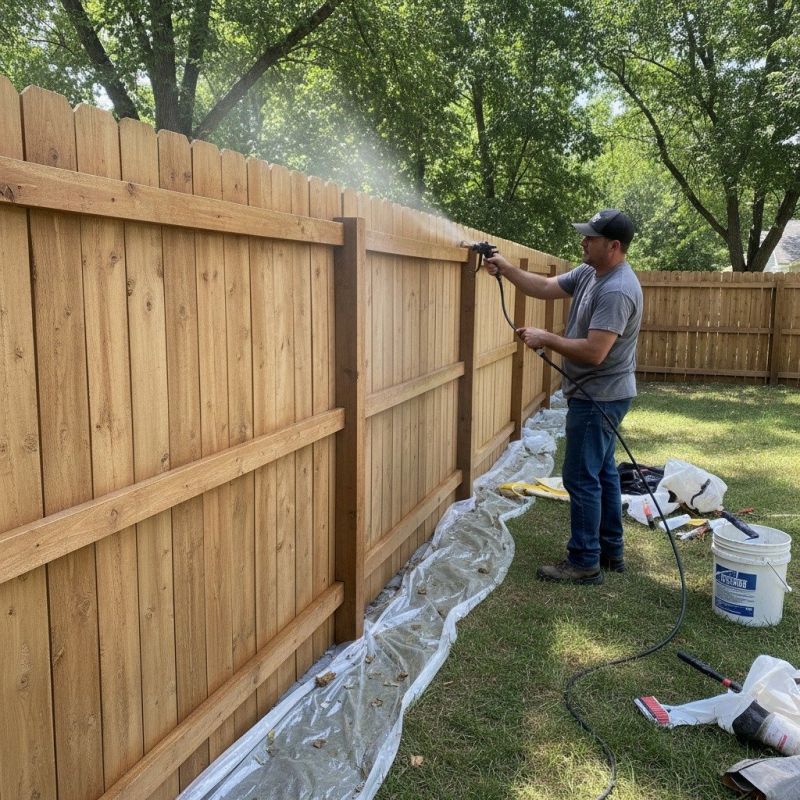
Clearly describe your fence sealing project and compare local contractors based on experience, scope, and written expectations.
- Verify experience and expertise in fence sealing to ensure quality workmanship. - Confirm that service providers understand the specific requirements of sealing different fence materials.
- Define the scope of work in writing, including surface preparation, sealing method, and protective coatings. - Clear documentation helps set expectations and avoid misunderstandings.
- Compare multiple local contractors to evaluate their reputation, experience, and service offerings. - Gathering information from different providers can assist in making an informed choice.
- Ask for references or examples of previous fence sealing projects completed by the contractor. - Reviewing past work can provide insight into the contractor’s capabilities and quality standards.
- Ensure the contractor provides a detailed written estimate outlining the work to be performed. - A comprehensive estimate helps clarify the scope and prevents unexpected issues.
- Discuss and agree upon the project timeline, scope, and responsibilities before work begins. - Establishing clear expectations helps facilitate a smooth sealing process.
Compare local contractors’ experience, clarify scope, and set written expectations to ensure a successful fence sealing project.



Use clear comparisons of scope, experience, and written expectations to ensure consistency across local contractors.
- Scope Definition - Clearly outline the specific areas and types of fencing to be sealed.
- Material Consideration - Identify the fencing materials to ensure compatibility with sealing products.
- Experience Verification - Confirm that service providers have relevant experience with fence sealing projects.
- Work Specifications - Specify the required surface preparation, sealing methods, and finish expectations in writing.
- Service Provider Comparison - Evaluate local contractors based on their expertise, reputation, and scope of services offered.
When comparing contractors for fence sealing projects, it’s important to consider their experience with similar types of fences and environments. Service providers that have a proven track record working on fences comparable in material, size, and condition can be more likely to deliver satisfactory results. Homeowners should inquire about the types of projects the contractor has completed, paying attention to how familiar they are with the specific challenges and requirements associated with sealing fences in similar settings. This background can help ensure that the chosen contractor understands the nuances of the work and can handle the unique aspects of the project.
A clear, written scope of work is essential when evaluating fence sealing contractors. The scope should detail the specific tasks involved, such as surface preparation, sealing products to be used, and any additional services like cleaning or minor repairs. Having a documented outline helps prevent misunderstandings and provides a reference point for expectations. Homeowners are encouraged to review the scope carefully, ensuring it covers all aspects of the project and aligns with their needs. A well-defined scope also makes it easier to compare different service providers based on the comprehensiveness and clarity of their proposals.
Verification basics are a key part of selecting reliable service providers. Homeowners should verify that contractors have a history of completing similar projects successfully, which can often be confirmed through references or project portfolios. Checking for consistency in the contractor’s experience and the quality of work can reduce the risk of surprises. Additionally, confirming that a contractor has the necessary insurance or liability coverage, even if not explicitly required, can provide further assurance of their professionalism. Gathering this information helps build confidence in the contractor’s ability to handle the project competently.
Evaluating options without focusing on prices involves assessing the quality of the service proposals and the professionalism of the contractors. Homeowners should compare how each service provider communicates their process, the thoroughness of their scope, and their approach to project planning. Attention to details such as clarity in written proposals, responsiveness to questions, and transparency about the work involved can reveal the contractor’s level of professionalism. By focusing on experience, scope clarity, and verification, homeowners can make informed choices that align with their project goals, ensuring a successful fence sealing experience with trusted local service providers.
Ask contractors to provide written scope details to ensure clear expectations and consistent project understanding.
- Experience and Expertise - What level of experience do local contractors have with fence sealing projects?
- Scope of Work - How do contractors define and clarify the specific tasks included in their fence sealing services?
- Materials and Techniques - What sealing products and application methods do service providers typically use, and how do they compare?
- Warranty and Guarantees - Do local contractors offer any written warranties or guarantees for their fence sealing work?
- References and Past Work - Can contractors provide references or examples of previous fence sealing projects to verify their experience?
What should I consider when comparing fence sealing contractors? It's important to review their experience, verify their scope of work, and ensure clear communication about the services provided to find a suitable service provider.
How can I define the scope of fence sealing work with a contractor? Clearly outline the areas to be sealed, the type of sealant to be used, and any surface preparations or additional services needed to set proper expectations.
What questions help verify a contractor’s experience with fence sealing? Ask about their previous projects, the types of fences they have sealed, and how long they have been performing this specific service.
Why is it important to get a written agreement with a fence sealing contractor? A written agreement helps clarify the scope, materials, and expectations, reducing misunderstandings and ensuring both parties are aligned.
How can I ensure a contractor’s work quality for fence sealing? Request references or examples of past work, and verify their experience to assess the quality of their previous projects.
What should I look for in a service provider’s credentials or reputation? Focus on their experience, reputation within the community, and clarity in communication to select a reliable contractor for fence sealing.
This page has outlined key steps to help compare and select qualified contractors for fence sealing projects. Visitors learned the importance of clearly defining the scope of work, verifying the experience of service providers, and establishing expectations in writing to ensure a smooth process. Utilizing the quote form provides a straightforward way to explore options and find contractors who meet specific project needs.
To move forward, using the quote form can assist in connecting with local service providers capable of handling fence sealing tasks. Comparing different contractors allows for an informed decision based on the scope of work and experience, helping to identify the best options available in the area.